 Italiano
 Deutsch
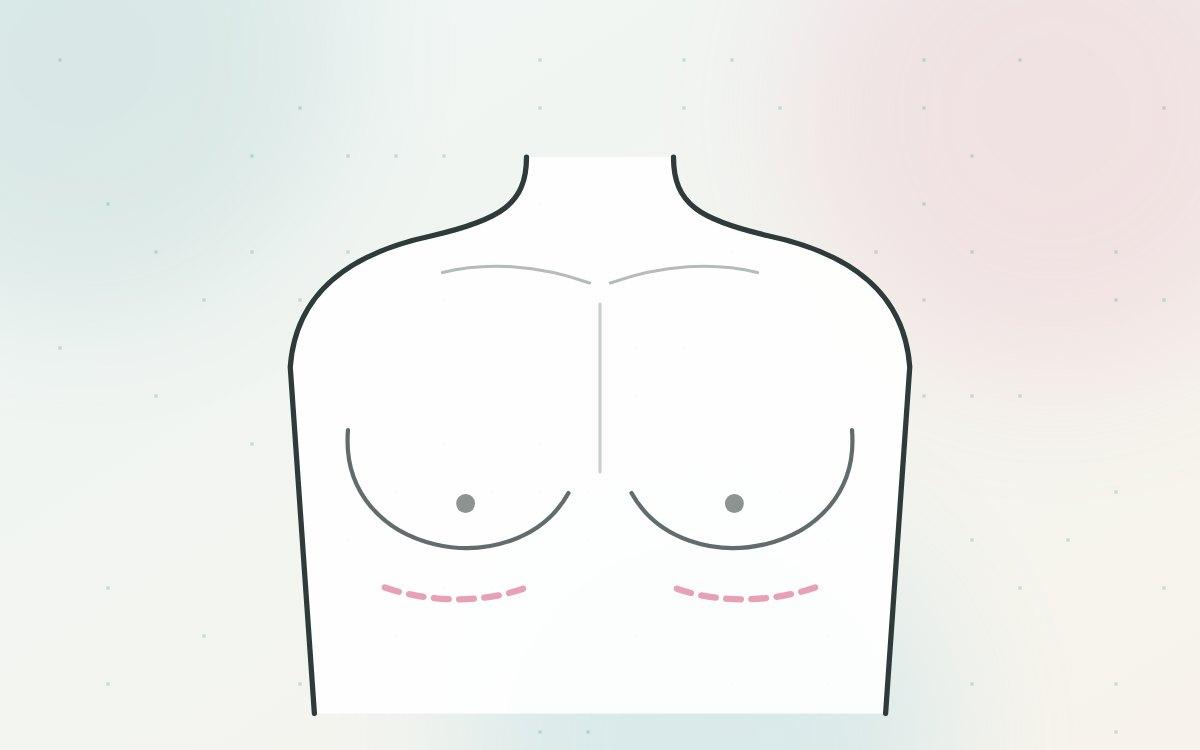
MTF breast augmentation increases breast volume with implants, fat transfer or a combination of both. It is for adult trans women and transfeminine people who want fuller breasts than hormones alone have achieved.
What MTF breast augmentation is
What is MTF breast augmentation? It is feminizing chest surgery that increases breast volume and refines shape using silicone implants, fat grafting or a hybrid of both. WPATH SOC8 suggests around 12 months of feminizing hormones beforehand where appropriate, and desk work is often possible after about a week.
Breast augmentation for trans women is also called feminizing chest surgery, augmentation mammaplasty or, informally, MTF top surgery. Many trans women see breast growth on oestrogen, but the result is often smaller than they would like. Surgery can help reduce body-related dysphoria and make clothing and everyday life feel more comfortable.
Who it suits and the role of hormones
The procedure is for adults with marked and sustained gender incongruence who can give informed consent and whose other health conditions are reasonably well controlled. The WPATH Standards of Care 8 suggest a period of feminizing hormone therapy, often around 12 months, before surgery so that breast growth can develop and the surgeon can plan implant size more accurately. This is a recommendation, not an absolute rule: for people who cannot or do not wish to take hormones, the decision is made individually.
Some surgeons or clinics may ask for a letter from a mental health or health professional. A breast cancer risk assessment is also recommended. More in our guide to chest surgery requirements and, for every other topic, in our complete guide to top surgery and chest surgery.
How the procedure works: implants, fat grafting, hybrid
Implants
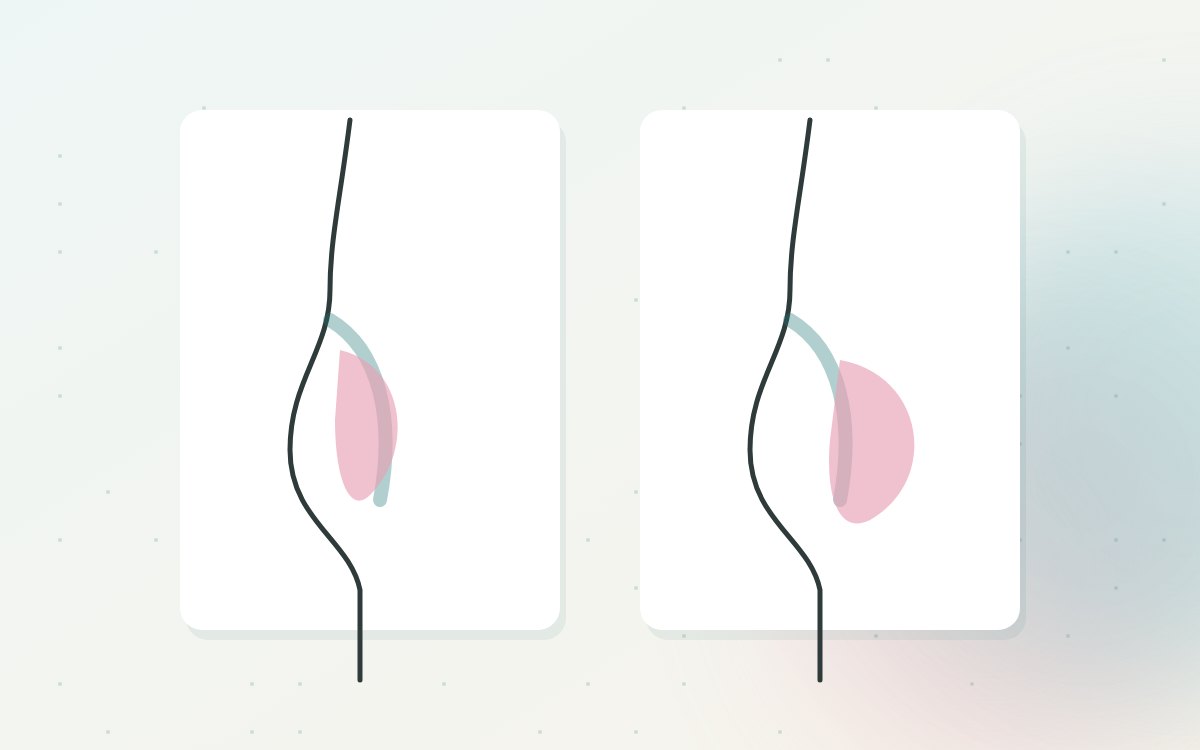
Implants are the most common option, usually cohesive silicone gel (saline implants also exist). They can be round, giving more upper-pole fullness, or anatomical (teardrop), with a more gradual slope. Implants can sit above the muscle (subglandular), under the pectoral muscle (submuscular) or in a dual-plane position, which covers the upper part of the implant with muscle and often looks more natural when tissue is thin.
Fat grafting and hybrid
In fat grafting, fat is harvested by liposuction (for example from the abdomen or flanks), processed and injected into the breasts. The result feels soft and natural, but the volume gain is limited and some fat is reabsorbed, so more than one session may be needed. A hybrid approach combines an implant with fat grafting to camouflage implant edges and soften the contour.
Incision sites
- Inframammary: in the fold beneath the breast; the most common, with good control of the pocket.
- Periareolar: along the lower edge of the areola; possible if the areola is large enough.
- Axillary: in the armpit; no scar on the breast, but less control.
Anatomical particularities
Many trans women have chest features that differ from those assumed in standard augmentation: a wider chest, often smaller and more laterally placed nipples and areolas, a more developed pectoral muscle and a higher inframammary fold. Implants with a wider base are therefore often chosen, and the fold is sometimes lowered. A wide chest also means the gap between the breasts may remain larger, so realistic expectations about cleavage matter.

Recovery, risks and follow-up
Surgery is usually under general anaesthesia and takes roughly one to two hours. Tightness and pain are common in the first days, more so with implants under the muscle. A support bra is worn for several weeks; desk work is often possible after about a week, sport and arm strain after 4–6 weeks as advised by your surgeon. Scars mature over 12–18 months; see our guides on scars and recovery.
Risks include haematoma, seroma, infection, changes in nipple sensation, asymmetry, implant malposition, capsular contracture, implant rupture and the need for revision. Breast implant-associated anaplastic large cell lymphoma (BIA-ALCL) is rare and has been linked mainly to textured-surface implants; discuss it with your surgeon when choosing an implant.
Implants are not lifetime devices: regular check-ups are needed and replacement may become necessary over the years. Keep your implant card and follow the advice on imaging check-ups.
MTF breast augmentation cost and consultation
Cost depends on implant type, technique (implants, fat grafting or hybrid), surgeon and what the package includes; only a written quote is binding. See our guides on chest surgery cost and preparing for surgery, including stopping smoking.
Breast augmentation is one of the chest procedures for trans and non-binary people covered on this site. If you are considering surgery abroad, compare our chest surgery destinations in Europe and worldwide; well-known options include chest surgery in Turkey and gender-affirming surgery in Thailand.
For personal advice, request a free MTF breast augmentation consultation: send us your questions and we will connect you with an experienced plastic surgeon.
Sources and further reading
- Standards of Care for the Health of Transgender and Gender Diverse People, Version 8 – WPATH – International Journal of Transgender Health (2022)
- A Summary of WPATH Standards of Care 8th Edition for Gender-Affirming Plastic Surgery – Plastic and Reconstructive Surgery (2024)
- Feminizing surgery – Mayo Clinic
- Breast Augmentation – Cleveland Clinic
- Chest Masculinization Surgery – American Society of Plastic Surgeons
Last checked: 10/2026
Frequently asked questions
The WPATH Standards of Care 8 suggest a period of feminizing hormone therapy, often around 12 months, so that breast growth can develop. It is a recommendation, not an absolute rule; the decision is individual.
Implants allow a larger, more predictable volume increase; fat grafting gives a very natural result but a limited gain and possible reabsorption. A hybrid approach combines both. The choice is made with your surgeon.
Implants are not lifetime devices: regular check-ups are needed and replacement may become necessary over the years, for example due to capsular contracture or rupture.
It is a rare lymphoma associated with breast implants, linked mainly to textured-surface implants. Your surgeon will discuss it with you when choosing an implant.
Desk work is often possible after about a week; sport and arm strain roughly after 4–6 weeks, as advised by your surgeon. See recovery.
Request your free consultation
Tell us briefly what you are looking for: we usually reply within 24 hours, with no obligation.
- Multilingual support
- Written, transparent quote
- Follow-up after you return