 Italiano
 Deutsch
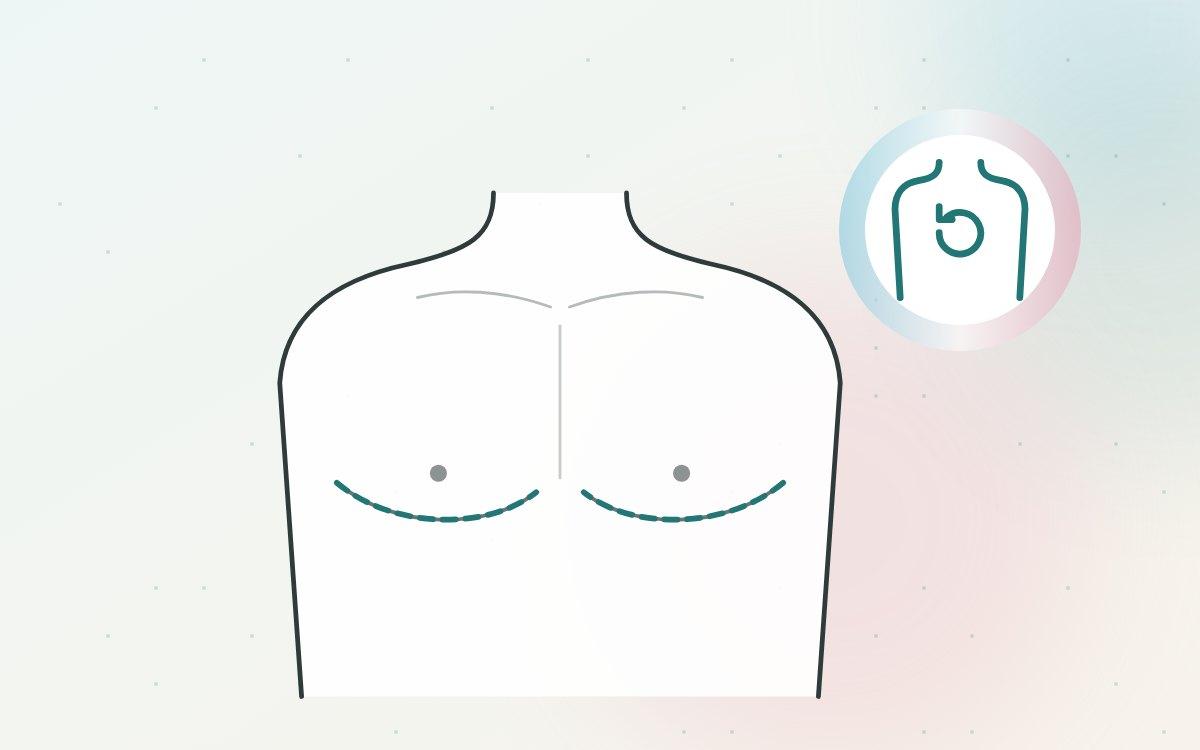
A top surgery revision corrects aspects of the result that are not satisfying after healing, such as dog ears, residual tissue, asymmetry, scars or nipple position. It is usually done once the tissues have settled.
What a top surgery revision is
What is a top surgery revision? It is a second, usually smaller operation that corrects dog ears, residual tissue, asymmetry, scars or nipple position. Surgeons generally recommend waiting about 6–12 months after the first surgery so swelling and scars settle, and many minor corrections are done under local anaesthesia with sedation.
A revision refines the result of top surgery, and it does not necessarily mean that something went wrong: the chest changes during healing, skin retracts differently from person to person, and some small irregularities only become visible after months. A share of people, which varies with technique and starting point, need a touch-up; the risk tends to be higher when short-scar techniques are used on chests that are not ideal for them.
Common reasons for a touch-up: dog ears, residual tissue, scars
- Dog ears: small bunches of skin and fat at the ends of the scar, towards the armpits or the centre of the chest.
- Residual tissue: volume left under or around the nipple, common after periareolar or keyhole techniques.
- Contour irregularities: dents, fuller areas or uneven transitions towards the flank.
- Asymmetry: differences in volume, scar or nipple between the two sides.
- Scar issues: widened, hypertrophic or poorly placed scars.
- Nipples: positioned too high, low or central, unsatisfying size or shape, partial graft loss.
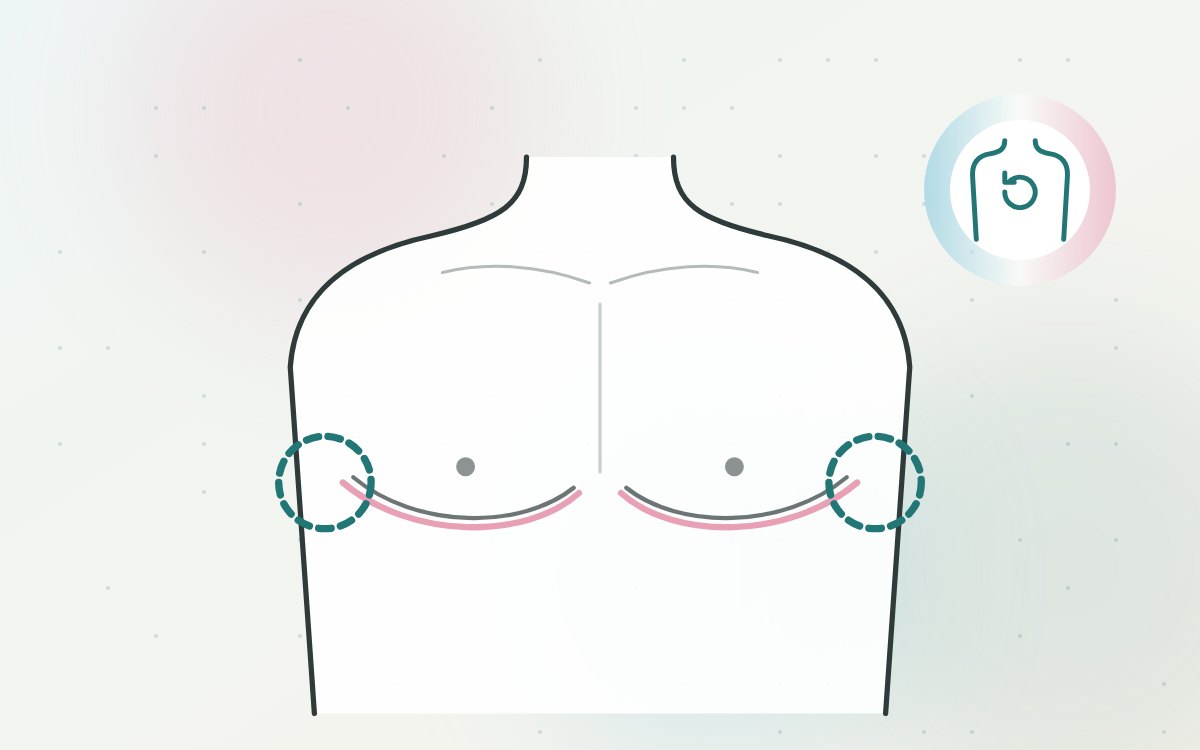
When to have a revision
In most cases surgeons recommend waiting about 6–12 months after the first operation. Swelling, scars and tissue position settle slowly, and what looks like a flaw at two months may improve on its own. Exceptions such as a haematoma or infection are treated by the surgeon straight away. Weight changes or starting testosterone can also affect the result, so it is best to be at a stable weight before revision.
How it works
| Problem | Possible solution |
|---|---|
| Dog ears | Excision of excess skin, sometimes extending the scar, often combined with liposuction |
| Residual tissue or fat | Liposuction and/or direct excision of glandular tissue |
| Irregular contour | Targeted liposuction, sometimes fat grafting to fill dents |
| Wide or thick scar | Scar revision, conservative treatments (silicone, steroid injections) where indicated |
| Misplaced or large nipple | Nipple repositioning or nipple/areola reduction |
Many revisions are done under local anaesthesia with sedation, others under general anaesthesia, depending on the extent. The surgeon chooses the technique after examining your chest and scars. Revising surgery done by another surgeon is possible; bring your records and before/after photos if you have them. For background on the original techniques, see choosing a top surgery technique and our overview of all top surgery procedures.
Reducing the chance of revision
Not everything is in your hands, but some factors help. The first is choosing the right technique: a short-scar technique on a chest with a lot of excess skin increases the risk of residual tissue and loose skin, whereas double incision gives more control in larger chests. The second is following aftercare instructions carefully: compression vest, drains if used, and no strain on the arms in the first weeks. A stable weight, not smoking and good scar care once the wounds have closed also make a difference. Discussing revisions openly at your first consultation, including how touch-ups are handled, helps set clear expectations from the start.
Recovery and risks
Recovery is generally shorter than after the initial top surgery: desk work is often possible after a few days to a week, with a compression vest for several weeks after liposuction (see recovery). The risks are similar to the first operation but usually smaller: haematoma, seroma, infection, scarring problems, changes in sensation and the possibility that a flaw is not fully corrected. Stopping smoking remains essential; see preparation and our guide to top surgery scars. Every other topic is covered in our complete top surgery guide.

Realistic expectations, costs and consultation
A revision can noticeably improve contour and scars, but it cannot erase a scar completely or guarantee perfect symmetry, as no human body is fully symmetrical. Cost depends on the extent of the correction and the type of anaesthesia; some surgeons include minor touch-ups in the original price within a certain period, so ask beforehand. See our top surgery cost guide for an overview.
A top surgery revision can also take place in a different country from your first operation: compare our top surgery destinations in Europe and worldwide or read about top surgery in Turkey, where a corrective procedure can also be assessed. If you are unhappy with your result, send us a few photos through our free top surgery revision consultation and we will help you understand which options are realistic.
Sources and further reading
- Standards of Care for the Health of Transgender and Gender Diverse People, Version 8 – WPATH – International Journal of Transgender Health (2022)
- Long-Term Regret and Satisfaction With Decision Following Gender-Affirming Mastectomy – JAMA Surgery (Bruce et al., 2023)
- Postoperative care and common issues after masculinizing chest surgery – UCSF Transgender Care
- Scars: Diagnosis and treatment – American Academy of Dermatology
- Top Surgery (Chest Feminization or Chest Masculinization) – Johns Hopkins Medicine
Last checked: 10/2026
Frequently asked questions
Usually about 6–12 months after the first operation, so that swelling and scars can settle. Acute complications such as haematoma or infection are treated straight away.
Small bunches of skin and fat at the ends of the scar. They are usually corrected by excising the excess skin, often combined with liposuction.
Yes. It helps to bring the records of your first operation and before/after photos so the new surgeon can assess the situation.
It depends on the extent: many small corrections are done under local anaesthesia with sedation, larger ones under general anaesthesia.
No. It can improve their appearance, width and position, but a scar always remains visible to some degree. See our guide to scars.
Request your free consultation
Tell us briefly what you are looking for: we usually reply within 24 hours, with no obligation.
- Multilingual support
- Written, transparent quote
- Follow-up after you return