 Italiano
 Deutsch
- 5 min read
- Guide

Top surgery recovery usually follows predictable stages, but every body heals at its own pace. Here is an indicative overview – your surgeon’s instructions always come first.
Top surgery recovery: the first days (days 1–3)
How long does top surgery recovery take? The first 1–2 weeks, with drains and the first check-up, are usually the most demanding; many people then return to desk work. The compression vest is typically worn for around 4–6 weeks, exercise resumes from about 6 weeks, and the final result is assessed after 6–12 months.
After surgery you wake up with dressings and a compression binder or vest around your chest. Many people stay one night in the clinic. Pain is usually well managed with the prescribed painkillers; tightness, pressure and fatigue are more common complaints. In the first days it is important to:
- rest semi-upright, with pillows behind your back;
- get up and walk a little several times a day to support circulation;
- keep your elbows close to your body and not raise your arms above your shoulders;
- drink enough and take medication as instructed.
Drains
Many surgeons place small drainage tubes at the sides of the chest to remove blood and fluid. You will be shown how to empty them and record the amount. They are usually removed after a few days, once output decreases; some surgeons work without drains. Whether drains are used also depends on the technique – see our pages on top surgery procedures.
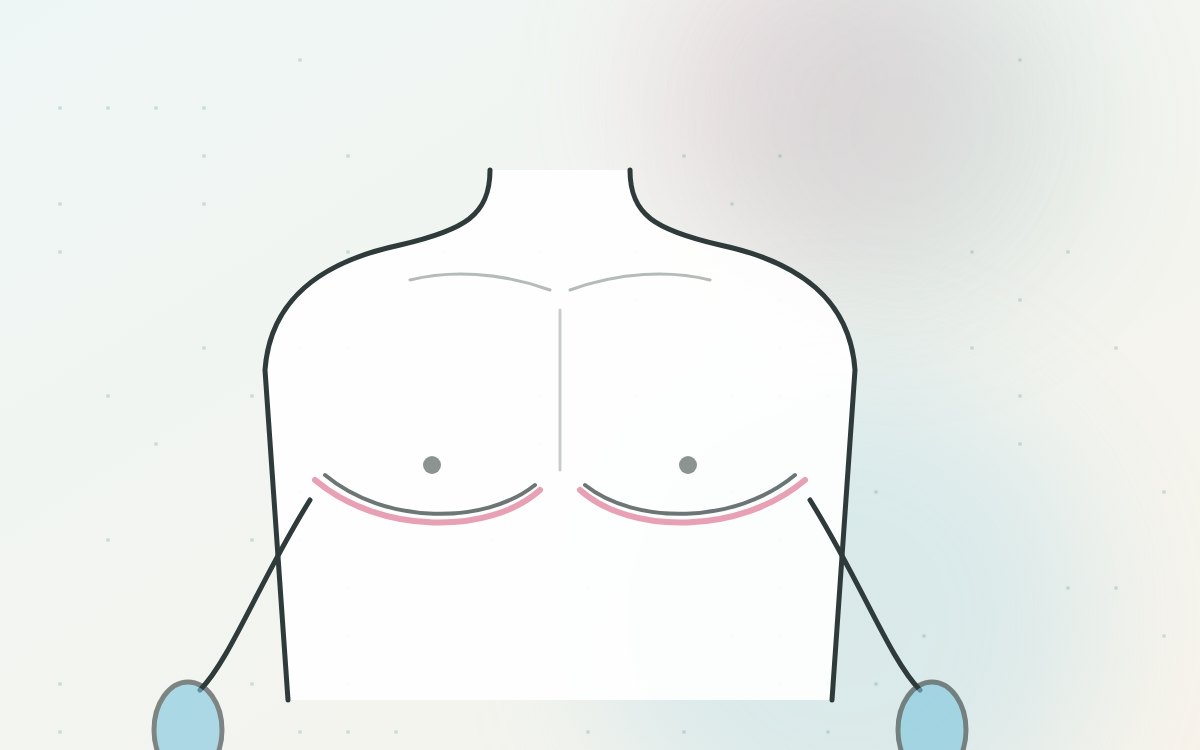
Week 1: the first check-up
Around the end of the first week there is usually a key check-up: drain removal (if not already done), a dressing change and, if you had nipple grafts, a check of how they are taking. Grafts often look dark or crusty at first – this is normal. Advice on showering varies: it is often allowed once drains or the main dressing are removed, avoiding soaking the grafts, and without baths, pools or the sea until wounds have fully healed.
When can I fly home?
If you have surgery abroad, flying home is often possible after around 7–10 days, once the check-up is done and drains are out. Your surgeon always gives the final go-ahead. On the flight, wear your compression vest, get up and move when you can, drink water and get help with your luggage. How the stay, check-ups and flight home are organised is explained on our page about top surgery in Turkey; for other countries see our top surgery destinations in Europe and worldwide.
Weeks 2–4 of top surgery recovery: back to routine
- Desk work or study: many people return after about 1–2 weeks if they feel ready. Physical jobs take longer.
- Driving: only once you can move your arms without pain and are not taking sedating medication – usually after a couple of weeks, as advised.
- Arms: light everyday movements yes; no reaching above shoulder height and no lifting (often beyond a few kilos) for several weeks.
- Compression vest: usually worn for around 4–6 weeks, day and night at first, following your surgeon's protocol.
Our partner clinics also follow your progress remotely through photos and video – sending regular pictures helps spot any issues early.
Weeks 4–6 and beyond: movement and exercise
After about 4 weeks, longer walks and light activities can usually be resumed. Intense exercise, gym work involving chest and arms, running and swimming are generally reintroduced gradually from around 6 weeks or later, and only after your surgeon's approval. Weighted chest exercises often need even more caution.
Months 2–12: swelling, sensation and the final result
Swelling goes down mostly in the first weeks, but some residual swelling – especially at the sides and below the scars – can last for months. Tingling, numbness or hypersensitivity are common while nerves recover; sensation may keep improving for a year or more, but does not always return to how it was. The final contour is usually assessed after 6–12 months, while scars keep maturing for 12–18 months – see our guide to top surgery scars.

Sleep, food and wellbeing during recovery
In the first weeks, sleeping on your back with your upper body slightly raised is usually the most comfortable and recommended position; sleeping on your front or side is generally resumed later, once your surgeon allows it. A pillow under your knees and one on each side can stop you from turning over in your sleep.
A diet rich in protein, fruit and vegetables plus good hydration supports healing; painkillers can slow your bowels, so fibre and gentle movement help. Avoid alcohol while taking medication and stay nicotine-free. Your mood deserves attention too: after the initial excitement it is common to feel tired, impatient or low, especially while swelling still hides the result. This phase is common and usually passes; talking to people you trust or to your community helps. If sadness or anxiety is intense or lasts a long time, though, reach out to a professional.
Warning signs: when to contact a doctor straight away
- Sudden, marked or firm swelling on one side with increasing pain (possible haematoma).
- Fever, spreading redness, warmth, foul-smelling discharge or pus.
- A nipple graft that turns black, comes off early or oozes.
- A collection of fluid moving under the skin (possible seroma).
- Calf pain, a swollen leg, shortness of breath or chest pain – call emergency services immediately.
When in doubt, always contact the team. If something still bothers you after full healing, a revision can be assessed. To get ready, also read our guide on preparing for top surgery.
More topics, from requirements to costs, are collected in our complete top surgery guide. To find out how support and remote follow-up work after you return home, you can request a free top surgery consultation.
Sources and further reading
- Schedule Gender-Affirming Surgery (Mastectomy – requirements) – Cleveland Clinic
- Top Surgery (Chest Feminization or Chest Masculinization) – Johns Hopkins Medicine
- Masculinizing surgery – Mayo Clinic
- Postoperative care and common issues after masculinizing chest surgery – UCSF Transgender Care
Last checked: 10/2026
Frequently asked questions
The first 1–2 weeks are the most demanding; many people return to desk work during this time. Exercise is usually resumed around 6 weeks, while the final result is assessed after 6–12 months.
Usually around 4–6 weeks, following your surgeon's protocol. At first it is worn day and night; instructions may change later.
It depends on the surgeon: often once drains or the main dressing are removed. Baths, pools and the sea should be avoided until wounds have fully healed.
Often after around 7–10 days, once drains are out and the check-up has gone well. Your surgeon always gives the go-ahead.
Sudden, painful swelling on one side, fever, spreading redness, foul-smelling discharge, or nipple grafts that turn black or ooze. Shortness of breath or chest pain require emergency care.
Note: the content on this website is for general information only and does not replace personal medical advice, diagnosis or treatment. Procedures are performed by independent surgeons and facilities. Results vary between individuals and cannot be guaranteed.
More guide articles

Choosing a technique
Double incision, periareolar, keyhole or buttonhole? How chest size, skin elasticity and nipple position guide the choice of FTM top surgery technique.
Read more
Top surgery requirements
Who can have top surgery? WPATH SOC8 criteria, age, informed consent, pre-op tests, smoking, BMI and the letters some clinics ask for – explained clearly.
Read moreLatest articles

10.10.2026
Choosing a technique

06.10.2026
Top surgery requirements

02.10.2026
Preparing for top surgery

24.09.2026